The Invisible Edit and Why the Best Photo Editing Looks Like No Editing at All
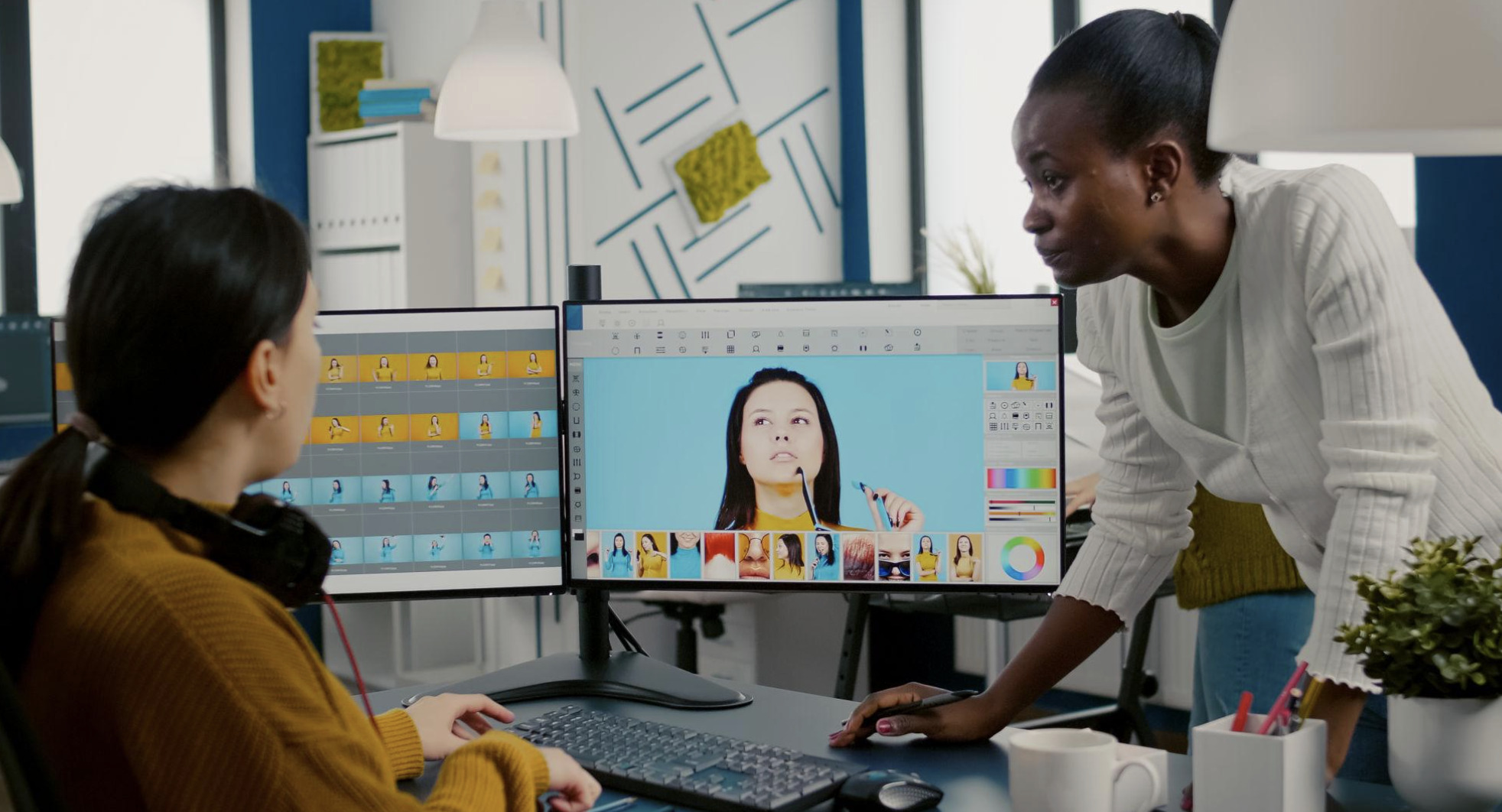
There is a particular kind of photograph that stops you mid-scroll. It has a quality you struggle to articulate — a warmth, a depth, a sense that the light in the frame is alive. You might assume the photographer was simply lucky, or that the scene unfolded perfectly in front of their lens. Rarely do you think: someone sat with this image for fifteen careful minutes and made decisions that changed everything.
That invisibility is the point. It is the hallmark of sophisticated editing, and it is one of the hardest skills in photography to develop.
The Overcorrection Era
For much of the past decade, photo editing culture moved in the opposite direction. The rise of social media created an appetite for looks that announced themselves loudly — heavy orange-and-teal grades borrowed from Hollywood blockbusters, crushed blacks and blown highlights, skin tones pushed into the amber spectrum regardless of the subject's actual complexion. These styles were immediately recognizable, and that was exactly why people used them. Recognizability felt like identity.
But trends calcify. What was a visual signature in one season becomes a cliché the next. And the deeper problem with loud editing is that it competes with the photograph itself. When the grade dominates, the viewer experiences the filter before they experience the moment. The emotional content of the image — the real reason you picked up a camera — gets buried.
The photographers who have consistently produced the most enduring work across this period are those who resisted the loudness. They understood something fundamental: the camera captures raw material, and editing is the process of refining that material toward a truer version of what the photographer perceived when they took the shot. Not a dramatized version. Not a stylized version. The truest version.
What "Tasteful" Actually Means
Tasteful editing is not timid editing. It is not a lack of opinion. A black-and-white conversion done well is one of the most decisive things a photographer can do to an image — it strips away all chromatic information and forces the viewer to reckon with nothing but form, texture, and tonal relationship. That is an aggressive choice. But it serves the photograph.
Tasteful means that every adjustment earns its presence. If you boost clarity, there should be a reason — texture in a landscape that begs to be felt, skin on an elderly portrait where every line deserves to read. If you lift the shadows, you are making a choice about the mood of the image, about whether mystery or openness better serves the story. If you shift the white balance cooler, you are telling the viewer something about the emotional temperature of the scene.
What tasteful editing opposes is the reflexive application of adjustments — boosting saturation because more color is usually better, sharpening everything because detail is usually good, adding vignettes because they usually create focus. These are approximations of reasoning. Real editing is reasoning itself: understanding the specific photograph in front of you and making decisions that serve its specific story.
The Danger of Infinite Options
One of the paradoxes of modern photo editing software is that the abundance of controls can work against good editing instincts. When you have a hundred sliders, you develop the tendency to touch most of them. Each small adjustment feels like improvement. The image shifts incrementally in twenty different directions simultaneously, and at the end of the session you have something that is technically different from where you started but has lost whatever coherence the original capture had.
Professional photographers who have edited thousands of images develop a different relationship with their tools. They work with a small vocabulary of trusted adjustments. They reach for the same controls in a similar order, not because they are applying a formula, but because they have internalized what those controls actually do to an image and when each one is genuinely called for.
This is why curated styles — the kind built by working photographers rather than generated algorithmically — serve as such a useful starting point. A style built by someone with a developed visual language encodes decisions. It is not just a color grade; it is a point of view on how light should behave in a photograph, how contrast should distribute across the tonal range, where the warmth should live. Working from that starting point and adjusting to the specific image in hand is an entirely different practice from dragging random sliders and seeing what happens.
Editing to the Subject, Not to the Style
Perhaps the most important shift in editing philosophy is moving from style-first to subject-first thinking. Style-first editing asks: what does my editing style look like? Subject-first editing asks: what does this particular photograph need?
A portrait shot in golden hour already has warmth baked into it. Adding more warmth because your style tends warm is not serving the photograph — it is overwriting it. A street scene in flat midday light might be crying out for a cooler, more graphic treatment that leans into the harshness rather than fighting it. The edit should feel like an inevitability: the only logical completion of the image that was captured.
Smart style suggestion technology moves in this direction by analyzing what is actually in the frame before offering any recommendation. Subject type, tonal distribution, exposure level, dominant color palette — these factors should shape what editing direction is proposed, because they are the properties of the specific image. A portrait is not a landscape is not a sunset, and they should not default to the same treatment.
The Practice of Restraint
Restraint in editing is an active skill, not a passive one. It requires the ability to look at an image that could be pushed further and choosing not to push it — because further is not better, it is only more. This is genuinely difficult. The temptation to keep refining, to add the final 5% of polish, is persistent. But there is a point past which every additional adjustment diminishes rather than enhances.
The photographers who have mastered restraint often describe the editing session as a process of listening. The image tells you what it needs if you approach it with genuine attention. You make a change and look at the result not to evaluate the technique but to evaluate the truth: does this feel more honest to the scene as I experienced it, or less? Does this adjustment serve the story or serve my ego?
That question — does this serve the photograph? — is the most important one an editor can ask. When it becomes your primary compass, the invisible edit becomes not just achievable but inevitable.