Editing is where a lot of promising photographs quietly die. Not from too little attention, but from too much — the extra push on the saturation slider, the shadows lifted until they glow unnaturally, the sharpening cranked until the image crackles. Modern photo editing tools make it effortless to keep adjusting, and effortless to go too far. The genuinely difficult skill is not learning what the sliders do; it is knowing when to stop. Understanding the line between enhancing a photograph and overcooking it is what separates edits that make an image sing from edits that announce themselves and undermine the very picture they were meant to improve.
Editing is finishing, not fixing
The healthiest way to think about editing is as the final stage of a photograph rather than a rescue operation. A good edit finishes an image — refining what is already there, guiding the eye, and bringing out the qualities the photographer saw when they pressed the shutter. It does not conjure a good photograph out of a poor one. The most important editing decisions are made in the field, in the light and the composition; editing enhances that raw material, and the better the capture, the less the edit needs to do.
This framing matters because it sets the right expectation and prevents the overcorrection trap. When editing is treated as fixing, every flaw becomes a slider to yank, and the cumulative yanking is exactly what produces an overcooked result. When editing is treated as finishing, the goal becomes subtler: to present the image at its best, not to transform it into something it never was. A photograph that was well seen and well shot needs a light touch to finish; one that needs heavy intervention to work was usually a problem of capture that editing cannot truly solve.
The overcooking trap and why it happens
Almost everyone who edits passes through a phase of overdoing it, and understanding why makes it easier to escape. Part of the cause is simply that the tools invite it — every adjustment is one slider away, and pushing a control further produces an immediate, visible "improvement" that feels like progress. Part of it is adaptation: as you stare at an image and gradually increase an effect, your eye adjusts to each small step, so that a version which looks natural to you after twenty minutes of tweaking looks garish to a fresh pair of eyes.
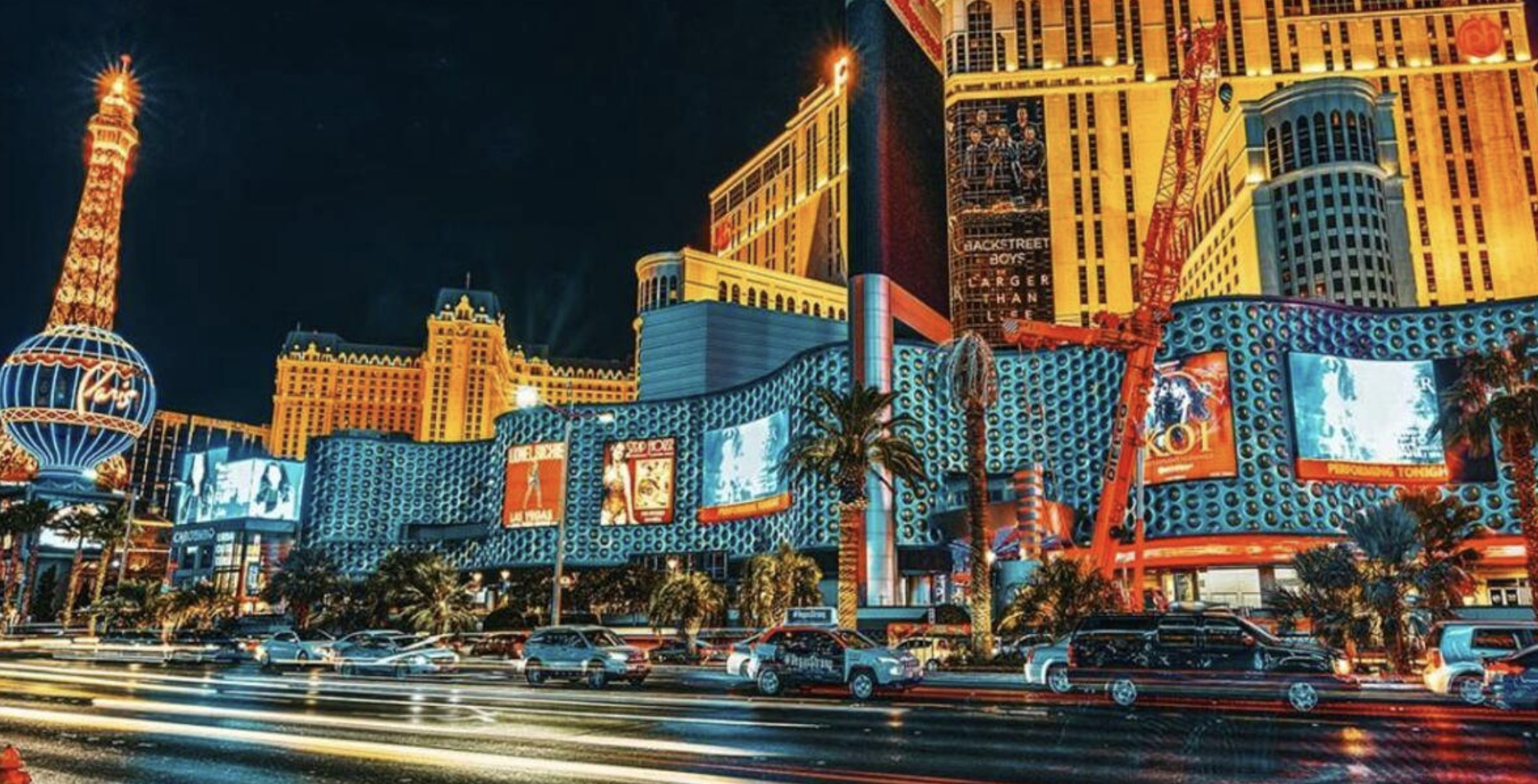
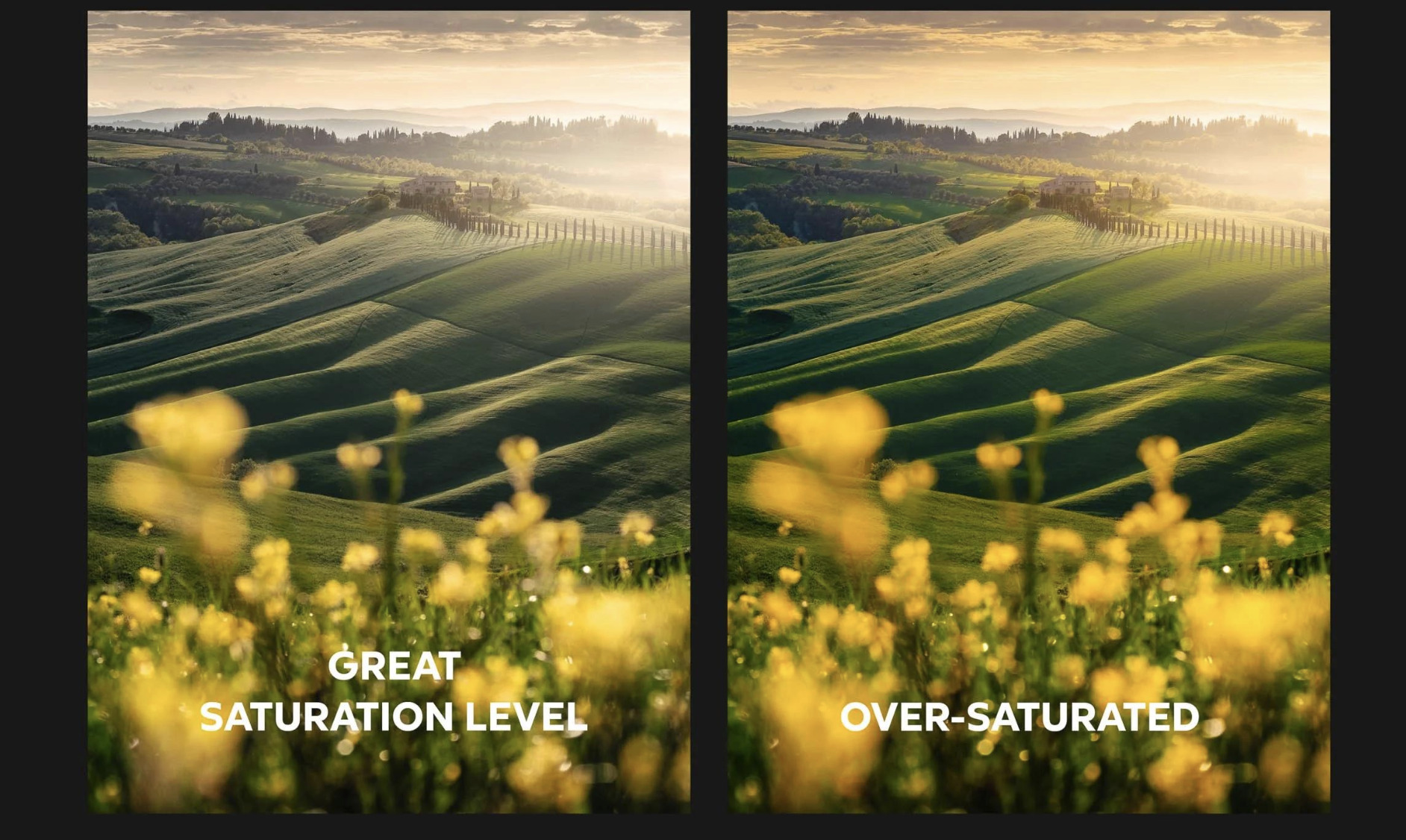
The classic symptoms are recognisable once you know them. Colours so saturated they no longer resemble anything real. Shadows lifted and highlights pulled until the image loses all contrast and looks flat and hazy, or pushed so hard it looks harsh and artificial. Skies turned an impossible electric blue. Skin smoothed into plastic. Sharpening so aggressive that edges shimmer with halos. Each of these begins as a reasonable adjustment and becomes a problem only through excess — which is precisely why the danger is so easy to miss from inside the edit.
Techniques that keep you honest
Because the eye adapts and excess creeps in gradually, the practical craft of restrained editing is largely about building in checks against yourself. The single most useful habit is to step away. Editing an image, leaving it, and returning with fresh eyes reveals overcooking that was invisible in the moment, because your eye has reset. Many photographers who edit intensively make a point of not finalising an image in one sitting for exactly this reason.
Comparison is the other essential discipline. Regularly toggling between your edited version and the original keeps you anchored to reality and shows how far you have travelled — often further than you realised. Editing at a normal viewing size rather than zoomed in helps too, since effects that look fine up close can be overwhelming at full view. And a simple question, asked honestly at each stage, cuts through a great deal of temptation: does this adjustment serve the photograph, or am I doing it just because I can? The tools reward endless fiddling; the image rewards knowing when the fiddling is done.
Serving the photo, not the software
The deepest principle of good editing is that every adjustment should serve the image rather than the ego of the edit. It is tempting to treat editing as a demonstration of skill, layering effects to show what you can do. But the most accomplished editing is usually invisible — the viewer sees a beautiful photograph, not a heavily processed one, and never notices the work that went into it. When an edit calls attention to itself, it has usually gone too far.
This is the philosophy behind the more considered photo editing tools, which favour crafted, restrained looks over the loud, one-tap filters that flatten every image into the same aesthetic. A tasteful editor such as Priime is built around the idea that editing should enhance a photograph's own character rather than impose a generic effect on top of it — that the point is to bring out what the image already is, not to bury it under processing. That philosophy is a useful north star regardless of the tools you use: the question is never "how much can I do to this photo?" but "what does this photo actually need?" The two questions lead to very different results.
Style versus overcooking
None of this is an argument for timid, flat editing, and it is worth drawing the distinction clearly, because restraint is not the same as blandness. There is a real difference between a strong, intentional style and an overcooked mess. A photographer with a distinctive editing style makes bold, deliberate choices — a particular colour palette, a moody low-contrast look, a warm cinematic grade — and applies them coherently in service of a vision. That is craft, and it can be striking. Overcooking, by contrast, is the accidental result of unchecked sliders and an adapted eye, with no intention behind it beyond "more."
The line between them is intention and control. A deliberate style is a choice made knowingly and executed consistently; overcooking is excess arrived at by drift. The way to develop a genuine style rather than fall into overcooking is to make editing decisions consciously, to understand why you are making each one, and to keep the checks — stepping away, comparing to the original — that stop conscious style from sliding into unconscious excess. Boldness with control is style; boldness without it is the mess that restraint is meant to prevent. The goal is not to edit less for its own sake, but to edit with purpose.
Conclusion
The fine line between editing a photograph and overcooking it comes down to restraint guided by intention. Editing is finishing, not fixing: it refines what a good capture already contains rather than rescuing a weak one, and the better the original, the lighter the touch required. The overcooking trap is real and nearly universal, driven by tools that invite endless adjustment and an eye that adapts to creeping excess — which is why the craft depends on stepping away, comparing to the original, and asking at every step whether an adjustment truly serves the image. The best editing is invisible, enhancing a photograph's own character rather than imposing a generic effect. Learn to feel where enhancement ends and excess begins, and your edits will do what editing is for: presenting a real image at its best, without ever letting the viewer see the hand that finished it.