Stand a beginner and a master in the same spot, hand them the same camera, and point them at the same scene. The beginner will photograph the scene. The master will photograph the light falling on it — and the two images will look as though they were made in different worlds. This is the open secret of photography, the thing that separates a snapshot from a photograph far more reliably than any piece of equipment: the real subject of every great image is not the mountain, the face, or the street. It is the light. And learning photography, properly understood, is mostly learning to see light, which turns out to be one of the harder and more rewarding things a person can teach themselves to do.
We look at things; photographers look at light
The trouble is that human perception is built to ignore exactly what photography depends on. Our eyes and brains are relentlessly practical: they identify objects, faces, and threats, and they treat light as a neutral medium that simply lets us see those things. We notice the cup, not the soft gradient of shadow curving around it. We notice the person, not the way the window light catches one side of their face and lets the other fall into gentle dark. This is efficient for living and disastrous for photography, because the camera does the opposite. It does not see the cup or the person at all; it records only light — its brightness, its colour, its direction, its texture — and assembles those into an image.
A photographer, then, is someone who has retrained their attention to notice what everyone else filters out. They walk into a room and see not the furniture but the way the afternoon sun is raking across the floor. They look at a face and see the quality of the light shaping it. This shift, from looking at things to looking at light, is the single most important thing that happens in a developing photographer, and it changes everything that comes after.
The qualities you learn to read
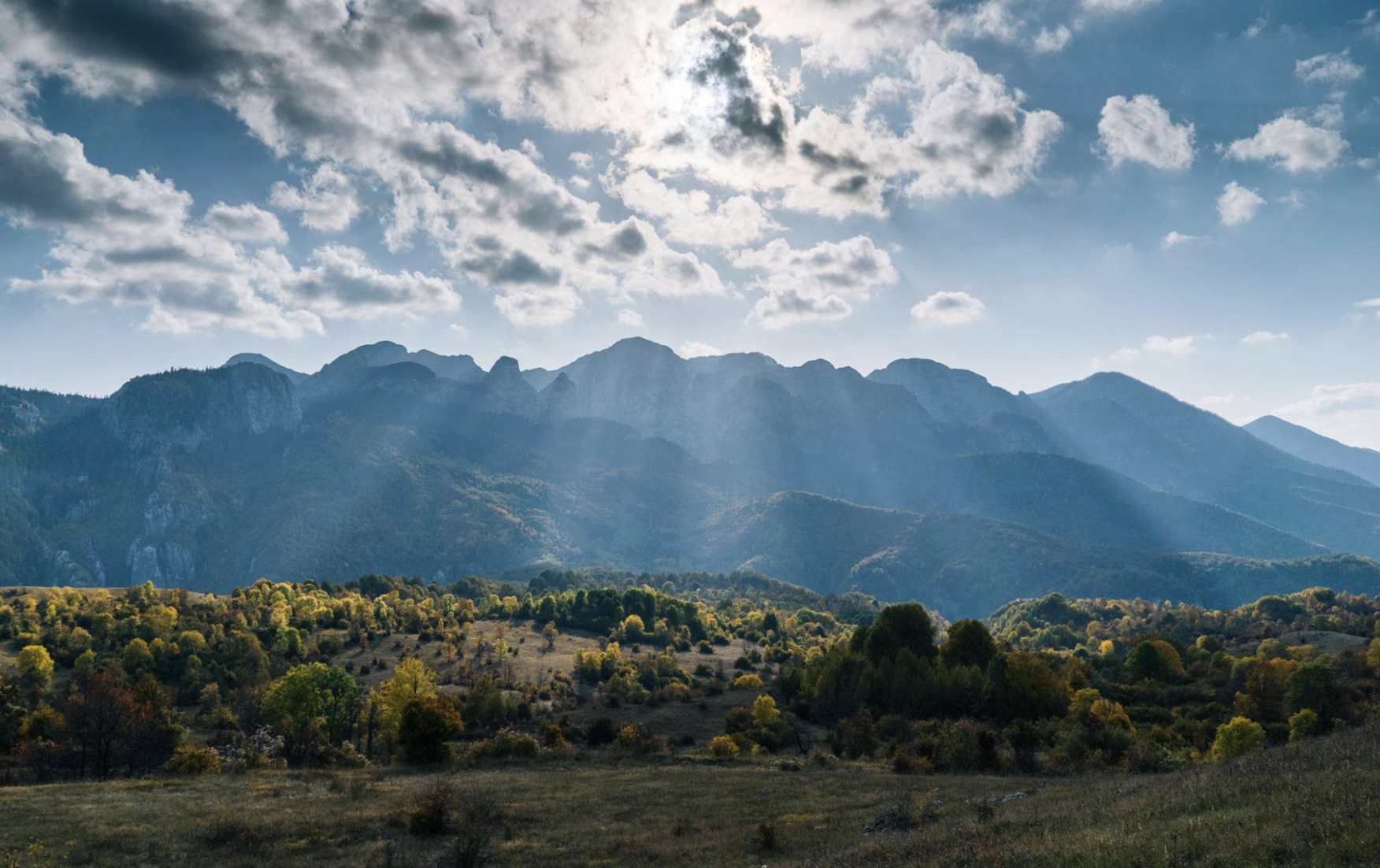
Once you start watching light instead of objects, you begin to notice that it has properties, and that those properties carry feeling. The first is direction. Light from the side rakes across a surface and reveals its texture and form, carving out dimension and drama; light from straight on flattens everything into a record; light from behind turns a subject to silhouette or wraps it in a glowing rim. Where the light comes from is a decision the world is constantly making for you, and the photographer's job is to notice it and either use it or move.
The second quality is hardness. Hard light, from a small or direct source like the midday sun, produces sharp, defined shadows and high contrast — punchy, harsh, sometimes brutal. Soft light, from a large or diffused source like an overcast sky or a north-facing window, wraps gently around a subject and produces smooth, flattering transitions with no harsh edges. Neither is better; they are different instruments for different moods. The overcast day that the amateur curses as "bad light" is, to the portrait photographer, an enormous free softbox covering the entire sky.
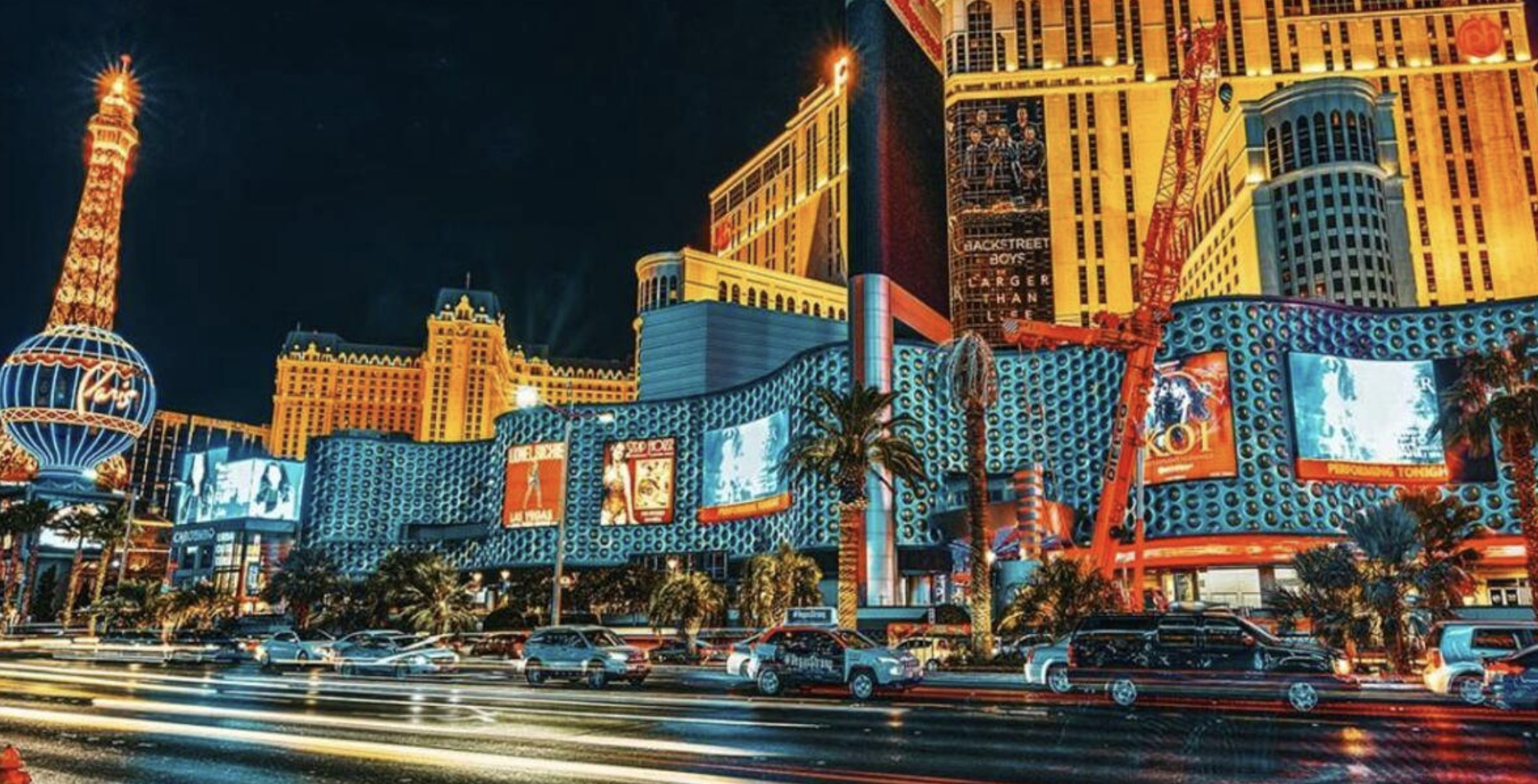
The third quality is colour. Light is rarely truly white. It is warm at the beginning and end of the day, cool in shade and under an open sky, golden in the famous hour after sunrise and before sunset, and tinged by whatever it has bounced off on the way to the subject. Learning to see the temperature and colour of light — and to feel how warm light comforts while cool light unsettles — is learning a large part of how photographs make us feel anything at all.
Why golden hour earned its name
All of this is why photographers are so devoted to the so-called golden hour, the period shortly after sunrise and before sunset when the sun is low. It is not sentimentality. At that hour the light is doing three flattering things at once: it comes from a low side angle that sculpts everything it touches with long, gentle shadows; it is softened and warmed by passing through more of the atmosphere; and it has a colour that human beings find almost universally beautiful. The same street that looks flat and ordinary at noon becomes luminous and dimensional at golden hour, not because anything in the scene changed, but because the light did.
The deeper lesson hidden in golden hour is patience. The photographer who returns to the same ordinary location at the right time, and waits, will come away with an image the midday tourist could never get. Great light is often less about finding a remarkable place than about being in an ordinary place when the light becomes remarkable — which means the most underrated photographic skill is simply showing up at the right hour and being willing to wait.
The other twenty-two hours
This does not mean photography stops when golden hour ends. The point of learning to see light is precisely that you stop depending on the obviously good light and start finding the possibility in all of it. Harsh midday sun, dismissed by beginners, is perfect for high-contrast graphic images, for hard shadows used deliberately as shapes. The flat grey of an overcast afternoon is ideal for portraits and for honest, even colour. The cold blue minutes after sunset, the blue hour, render cityscapes and interiors in a mood nothing else can match. Even the ugly mixed light of an ordinary room can be used by someone who has learned to read it and place their subject in the best of it.
The photographer who truly sees light is never waiting for good light to arrive. They are constantly assessing the light they have and asking what kind of image it wants to become. Bad light, to a developed eye, is mostly just light whose use has not yet been figured out.
Editing is the conversation continued
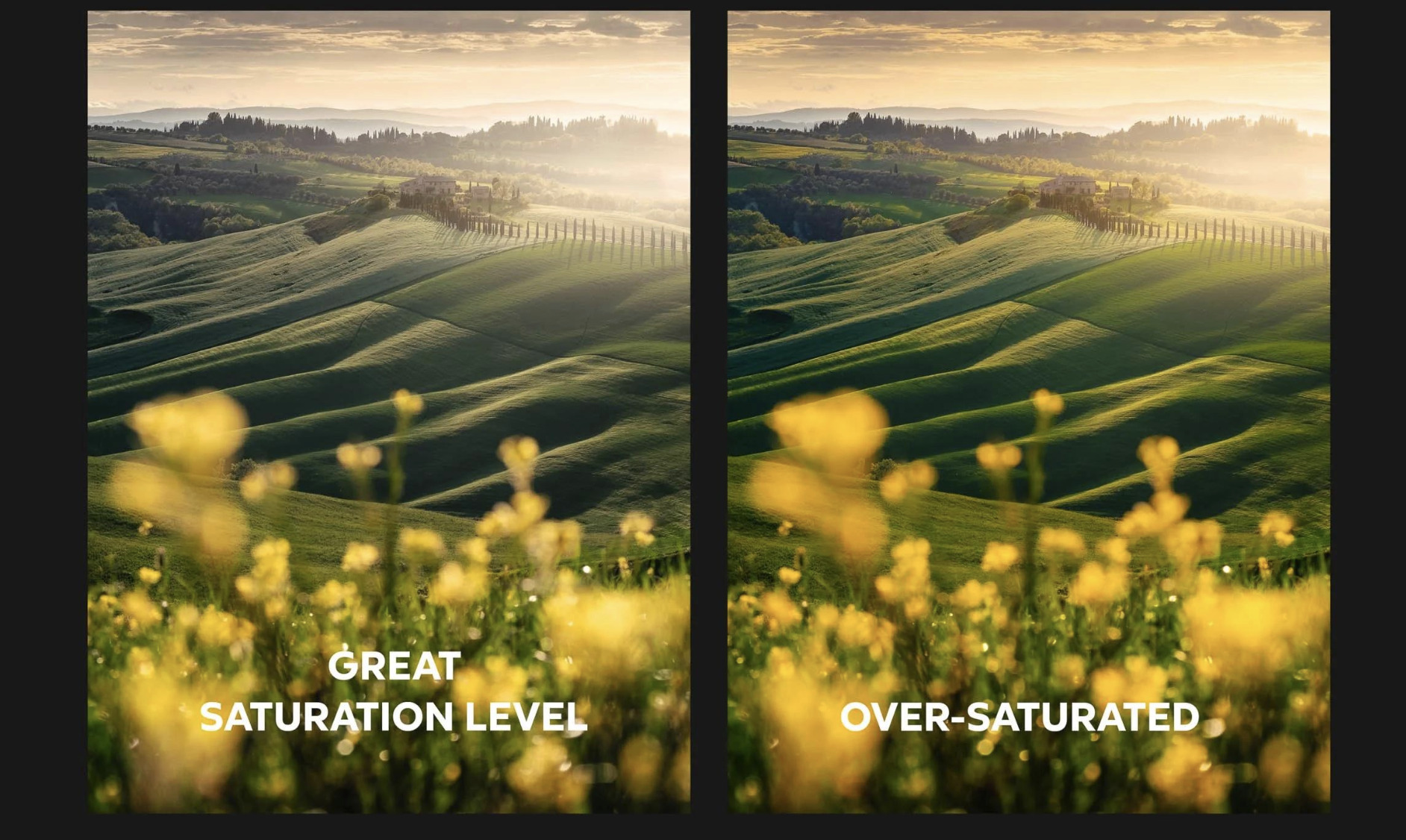
This way of seeing does not end when the shutter closes; it carries straight into editing. The most thoughtful editing is not the imposition of a look onto an image but the continuation of the photographer's relationship with the light that was already there. It means lifting a shadow that hid a detail the eye saw but the sensor missed, warming an image back toward the golden tone the moment actually had, balancing a colour cast so the light reads true. Good editing listens to the light in the photograph and gently helps it say what it was already trying to say. It enhances the seeing; it does not replace it.
This is why editing built on respect for the original light feels honest, while editing that ignores it feels fake. A photograph made in soft window light and then crushed into harsh artificial contrast is a small lie; an edit that deepens and clarifies the light that was genuinely present is the truth, told a little more clearly.
Learning to see
In the end, the encouraging truth about photography is that the most important skill costs nothing and requires no equipment. You can begin learning to see light today, with whatever camera is in your pocket, simply by changing what you pay attention to. Notice where the light is coming from. Notice whether it is hard or soft, warm or cool. Notice how it changes through the day and what it does to the same scene at different hours. Watch the light on faces, on water, on walls, the way other people watch traffic.
Do this for long enough and something shifts permanently. You stop seeing a world of objects to be documented and start seeing a world of light to be caught. The camera becomes almost incidental, a tool for recording a way of seeing you have already developed in your eyes. The great photographers are not the ones with the best gear or the most remarkable subjects. They are the ones who learned, patiently and permanently, to see the one thing every photograph is really made of. Light is the only real subject. Everything else is just what the light happens to be touching.